
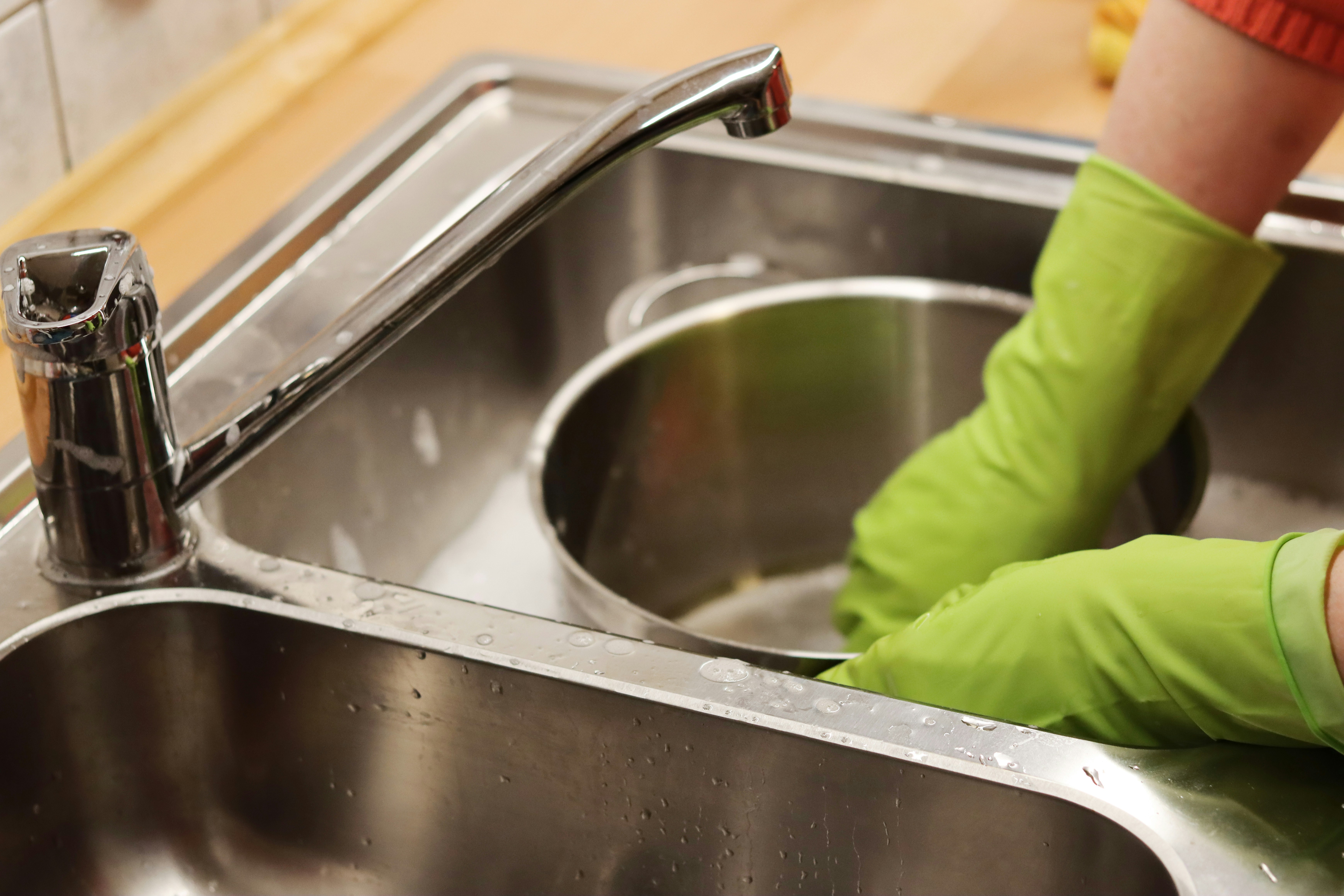
Washing dishes is one of those everyday tasks that can quietly contribute to household energy and water consumption. From heating water to running the dishwasher, the way we clean plates, glasses, and cooking utensils can affect the resources we use at home.
The good news is that a few simple changes can make dishwashing more efficient without compromising cleanliness. By adopting practical habits and choosing eco-friendly cleaning services from Green Terra Cleaning, you can maintain a cleaner kitchen while making more conscious decisions about energy consumption.
1. Use Your Dishwasher Efficiently
If you have a dishwasher, using it correctly can help you save both time and energy. Modern, efficient dishwashers can use less water than washing dishes by hand under a continuously running tap, although results depend on the appliance and your washing habits.
To make the most of your dishwasher:
- Run full loads: Wait until you have a suitable full load rather than running several small cycles.
- Choose an eco-cycle: When appropriate for the level of dirt and hygiene requirements, an eco-program can reduce energy and water consumption.
- Skip unnecessary pre-rinsing: Scrape leftover food into the bin or compost where appropriate, and follow your appliance manufacturer’s guidance.
- Use the correct settings: Select a cycle suited to your dishes instead of automatically choosing the most intensive option.
- Maintain the appliance: Clean filters and follow the manufacturer’s maintenance instructions to help your dishwasher work properly.
These small adjustments can help avoid unnecessary cycles and reduce the resources needed to clean your dishes.
2. Wash Dishes by Hand Without Wasting Hot Water
Not every household has a dishwasher, and some items are better washed by hand. In these situations, your water and temperature choices matter.
Heating water requires energy, particularly when you use an electric or gas water heater. Leaving hot water running continuously can waste both water and the energy used to heat it.
Try these simple habits:
- Scrape food scraps from dishes before washing.
- Fill a basin or use a partially filled sink instead of letting the tap run continuously.
- Use warm water when it is helpful, rather than heating water unnecessarily.
- Choose a dishwashing product suitable for the job and follow its directions.
- Rinse efficiently without using more water than necessary.
Water should still be warm enough for effective cleaning when required, and appropriate food-safety and hygiene practices should always come first.
3. Choose the Right Time and Method for Dishwashing
Saving energy is not only about the appliance you use. It is also about avoiding repeated work and unnecessary water heating.
Instead of washing a few dishes repeatedly throughout the day, consider organizing your dishwashing routine around meals. Soaking cookware when appropriate can help loosen stuck-on food and reduce scrubbing time.
However, do not leave dirty dishes sitting for so long that food residue becomes difficult to remove or hygiene becomes a concern. Wash items promptly when needed, especially those that have contacted raw meat or other potentially hazardous foods.
A well-planned routine can save time while helping you use water, cleaning products, and appliances more efficiently.
4. Keep Your Kitchen Clean with Eco-Friendly Habits
Dishwashing is just one part of kitchen maintenance. Grease, crumbs, spills, and food residue can build up on countertops, stovetops, cabinet handles, and floors.
Keeping these areas clean as you cook can prevent dirt from accumulating and make your next cleaning session easier.
Consider these habits:
- Wipe suitable surfaces promptly after spills.
- Use reusable cloths when appropriate and launder them according to care instructions.
- Avoid using more cleaning product than recommended.
- Turn off unnecessary lights and appliances when they are no longer needed.
- Sweep loose crumbs from suitable floors before using powered equipment.
These actions can help you maintain a comfortable kitchen while reducing unnecessary resource use.
5. How Green Terra Cleaning Supports a More Sustainable Home
Keeping a kitchen clean takes consistency, especially when you are balancing work, family, and other responsibilities. Green Terra Cleaning offers eco-friendly cleaning services to help make home maintenance more manageable.
Professional cleaning can help maintain kitchen surfaces, floors, and other areas that need regular attention. Combining professional services with efficient dishwashing habits gives you a practical way to support a cleaner home and a more thoughtful approach to resource consumption.
Eco-friendly cleaning is not simply about using less water or electricity at all costs. It is about choosing appropriate methods, using supplies responsibly, and maintaining the hygiene standards your home requires.
Although hiring a cleaning service does not automatically reduce the energy used by your dishwasher, a well-organized cleaning routine can complement your own efforts to avoid waste.
6. Small Changes Can Make a Difference
Reducing household energy consumption begins with everyday choices. Running a full dishwasher load, selecting an appropriate eco-cycle, avoiding unnecessary pre-rinsing, and limiting continuously running hot water are all practical ways to improve your dishwashing routine.
When you combine these habits with thoughtful kitchen maintenance and eco-friendly cleaning services, you can make caring for your home easier while becoming more aware of the resources you use.
Ready to enjoy a cleaner home and a simpler routine? Contact Green Terra Cleaning to hire eco-friendly cleaning services that complement your efforts to save energy and care for the environment. Every thoughtful habit can help build a more comfortable home and a more sustainable future.


